

- 22/12/2025
- Posted by: Sandra Borma
- Category: News
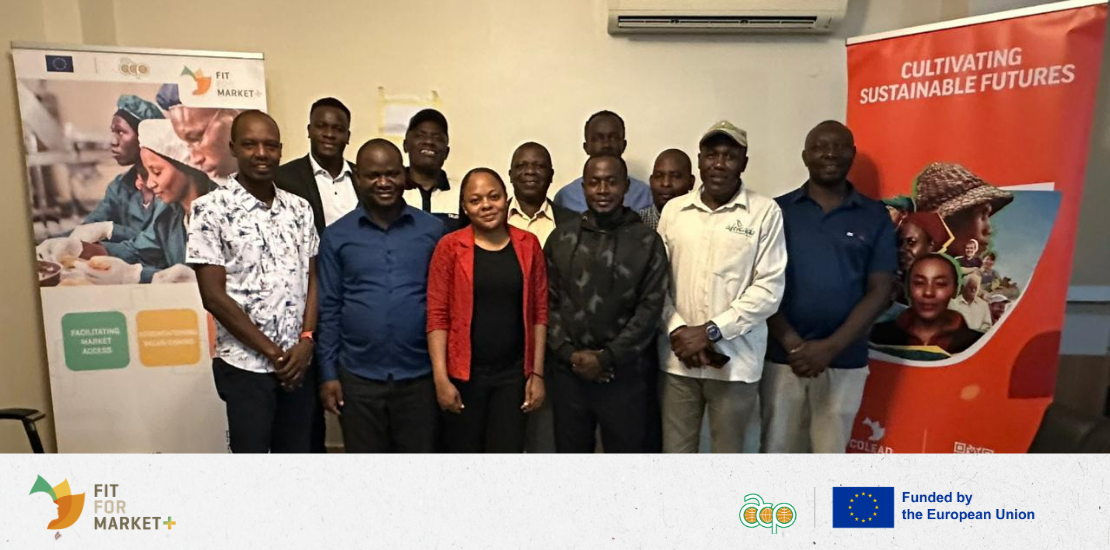
In December, COLEAD organised its first face-to-face training in Tanzania on managing gender dynamics in the workplace, held in Arusha as part of the FFM+ programme. This session is fully aligned with COLEAD’s Gender Strategy and Action Plan (2024–2027), which aims to systematically mainstream gender equality across all interventions and ensure equitable benefits for women and marginalised groups within agricultural value chains.
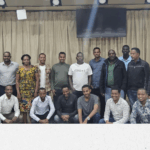
Gender is a key lever under Result 2 of the FFM+ programme, which focuses on strengthening the capacity of smallholders and agricultural MSMEs to adapt, remain competitive and access opportunities through inclusive approaches. The training brought together 22 participants from 18 Tanzanian horticultural companies, representing a wide range of functions, including company management, production, human resources, administration and finance, marketing, health, safety and environment, and career development.
Designed as a practical, action-oriented training, the session aimed to strengthen participants’ understanding of gender dynamics within companies and to provide concrete tools for integrating gender considerations into organisational practices. Participants worked on fundamental concepts related to gender and women’s empowerment, conducted simplified gender analyses within their own organisations, and explored ways to integrate these dimensions into internal policies, projects and processes. Particular attention was given to gender-sensitive monitoring and evaluation, the identification of relevant indicators, and the development of concrete action plans.
The participatory approach, firmly grounded in the realities of the companies, fostered strong engagement among participants, notably through workplace-based case studies, group work and planning exercises. Several participants highlighted the practical nature of the tools provided and their immediate usefulness in initiating change within their organisations.
Beyond strengthening company capacities, the training also enabled COLEAD teams to deepen dialogue with stakeholders in the Tanzanian horticultural sector, promote COLEAD’s programmes, tools and resources, and identify avenues for post-training follow-up, particularly through the implementation of targeted technical support actions.
This activity is supported by the Fit For Market Plus (FFM+) programme, implemented by COLEAD within the Framework of Development Cooperation between the Organisation of African, Caribbean and Pacific States (OACPS) and the European Union. This publication receives financial support from the European Union and the OACPS. The content of this publication is the sole responsibility of COLEAD and can in no way be taken to reflect the views of the European Union or the OACPS.