COLEACP’s surveys in the early months of the pandemic aimed to gather first-hand information on the impact of Covid-19 on operators of horticultural businesses, and assess how support from COLEACP and other partners could best be redirected as a response. These were not intended to be systematic surveys – respondents were self-selecting, and the operators taking part varied greatly in size and operation. But the results provide an illuminating qualitative snapshot of the key impacts of Covid-19 to date, and… +
Many countries have put in place special measures to reduce the spread of the coronavirus (COVID-19). These measures, as well as changes in food purchasing habits, have an impact on trade. In addition, concerns are mounting for the health and livelihoods of the workers who produce, deliver and sell our food worldwide. COLEACP remains on standby to keep all stakeholders in the horticultural trade informed about the latest major news on the evolution of the national, regional and international markets.… +
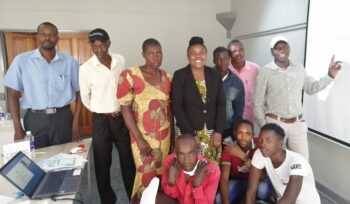
COLEACP’s Fit For Market programme is providing training to local experts in developing horticultural sector Good Practice Guides with value chain stakeholders, to support compliance with SPS standards. Local experts are benefiting from a three-part training course to master the many and varied hard and soft skills that they will need.
Following on from successful completion of online training (Phase 1), yesterday we held the inception meeting for Phase 2 – training will begin next week to strengthen the experts’… +
As part of #COLEACP’s Fit For Market SPS programme, a e-workshop on “Implementation of an internal audit system” was held on 23 September. The virtual session gathered NPPO internal audit managers from Ghana, Sierra Leone, Uganda and Zimbabwe. During the workshop, facilitated by the expert Samuel Muchemi with participation by COLEACP’s Regional Programme Managers, the country representatives shared their experiences and the status of their country’s system, along with challenges and the way forward. Before the workshop, the internal audit… +
The Plant Protection and Regulatory Services Directorate (PPRSD) of MOFA, Ghana, with #COLEACP, gathered 20 stakeholders in the curry leaves sector (at the Hotel Paloma and via Zoom).
This participatory workshop brought together key representatives from both public and private sectors in Ghana to create awareness about the challenges in establishing and maintaining Pest Free Areas for production and export of curry leaves. The workshop was conducted by Mr. Daniel Kwagbenu – COLEACP Liaison Officer / Senior Expert, with the… +
A COLEACP survey on the impacts of Covid-19 on companies’ operations in May shows that despite all the measures taken to cut costs and secure revenues, almost three-quarters of companies responding did not financially break even in May, an increase on 64% that failed to do so in April. Many companies will struggle to survive if this situation persists.
This survey, covering May 2020, was carried out among the 65 horticultural companies in Kenya that benefit from COLEACP’s technical assistance… +
SPICES RWANDA Ltd is a Rwandan company which produces and exports dried African Birds Eye Chilli. The company has implemented a food safety management system to comply with good hygiene practices within its processing unit. As part of its Fit for Market programme, COLEACP is supporting the company to strengthen this system and fully apply the HACCP method (hazard analysis and control of critical points).… +
COLEACP’s surveys in the early months of the pandemic aimed to gather first-hand information on the impact of Covid-19 on operators of horticultural businesses, and assess how support from COLEACP and other partners could best be redirected as a response. These were not intended to be systematic surveys – respondents were self-selecting, and the operators taking part varying greatly in size and operation. But the results provide an illuminating qualitative snapshot of the key impacts of Covid-19 to date, and… +
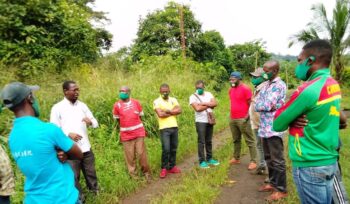
RHORTICAM, in collaboration with COLEACP, carried out a survey of companies and cooperatives in the horticultural sector in Cameroon during May to help assess the impact of the current health and economic crisis and to identify support needs. The ten companies that participated in the survey are mainly active in several production sectors simultaneously, with pineapple being the most frequently mentioned sector. The majority of respondents export to the European market (70%), the remaining 30% being active on the local… +
COLEACP’s surveys in the early months of the pandemic aimed to gather first-hand information on the impact of Covid-19 on operators of horticultural businesses, and assess how support from COLEACP and other partners could best be redirected as a response. These were not intended to be systematic surveys – respondents were self-selecting, and the operators taking part varying greatly in size and operation. But the results provide an illuminating qualitative snapshot of the key impacts of Covid-19 to date, and… +
In June, COLEACP conducted surveys to learn from our members and partners in the horticultural sector about the impacts of the current health and economic crisis throughout March–May.
Key points: The majority of respondents (64%) saw orders for March–May reduced by more than 25%, with 35% seeing a reduction of over 50% of orders; about a fifth of companies saw a positive increase in sales.
Almost half of respondents received higher prices for their produce in comparison with 2019; only… +
A COLEACP survey on the impacts of Covid-19 on companies’ operations in May shows that despite all the measures taken to cut costs and secure revenues, almost three-quarters of companies responding did not financially break even in May, an increase on 64% that failed to do so in April. Many companies will struggle to survive if this situation persists.
This survey, covering May 2020, was carried out among the 65 horticultural companies in Kenya that benefit from COLEACP’s technical assistance… +
In a press release issued on 4th September, The European Commission (EC) has announced a proposal to postpone the entry into force of the new organic regulation (EU) 2018/848 from January 2021 to January 2022. The proposal still needs to be ratified by the European Parliament, but seems certain to go ahead.
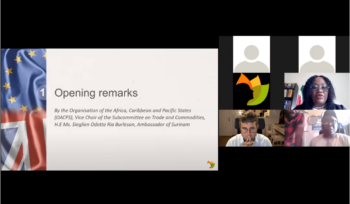
COLEACP welcomes this important move, which was originally requested by Member States, the European Parliament, third countries, and other stakeholders, including the Organisation of Africa, Caribbean Pacific States… +
As part of COLEACP’s response to the global Covid-19 pandemic, we are offering our members and partners online training on implementing Covid-19 measures through customised coaching sessions for horticultural companies. Frank Obure, General Manager Packhouses of AAA Growers in Kenya, provides some insights on how digital learning is contributing to his company’s overall mission.
“Covid-19 is touching businesses around the globe. Though we had already implemented preventive measures as per local and international guidelines, it is important to remain updated… +
CONTRACT NOTICE ISSUED BY COLEACP
In the context of the implementation of its programmes, COLEACP has developed a large network of experts rigorously selected through tendering procedures. COLEACP regularly publishes contract notices requesting service providers to express their interest in the form of an online application file. Service providers are advised to regularly consult this page to check current Calls for Expression of Interest (CEI)
Below are the current Calls for Expression of Interest (CEI): AO 201164 – Support services… +
[COLEACP in ACP countries] – Introductory Zoom session with national plant protection organisations on #COVID19 training – part of our work offering stakeholders in #ACP horticulture practical guidelines on how national inspectors/companies can integrate #COVID19 measures in their food safety management systems.… +
Discussions between COLEACP’s regional programme manager Yessie Meyer, project manager Wester Schepers and Fresh Produce Consortium of Kenya’s CEO Okisegere Ojepat to explore synergies and collaboration opportunities through the new EU-funded NExT Kenya programme.
Fresh Produce Consortium of Kenya (FPC KENYA) is one of the country’s fresh produce trade associations.… +
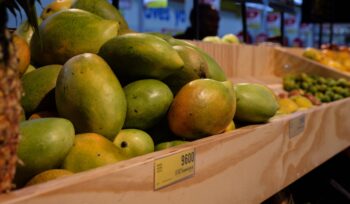
On a demanding European market affected since March by COVID-19, following Côte d’Ivoire at the beginning of the campaign, Mali and Senegal also show very encouraging results, reflecting the efforts of the entire sector.
In recent years, there have been numerous and recurrent interceptions of mangoes imported into Europe due to the presence of fruit fly. With the European Union’s revision of its phytosanitary regulations, a new European directive came into force on 1 September 2019, imposing additional requirements on… +
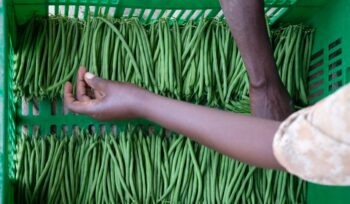
COLEACP’s Fit for Market in action at Wamu Investments Ltd, a Kenyan exporter of French beans and snow peas. Fit For Market is facilitating the implementation of SMETA requirements, a social standard that is commonly requested by European customers, including some of Wamu’s clients. With respect for local COVID-19 measures, a refresher training was organized for Wamu’s team on the ETI base code, followed by customized coaching to adapt implementation requirements to the company’s context.… +
This news provides updates on recent changes to EU Maximum Residue Limits (MRLs) for plant protection products (PPPs). Where an MRL has been lowered, it is important for any grower using the PPP to make any necessary adjustments in good time to ensure continued compliance with EU regulations. This may mean adapting production practices (GAP) or using alternative control methods.
It also includes a complete list of the MRL changes introduced so far in 2020, and changes applicable in 2021.… +
COLEACP’s Fit For Market programme is partnering with INSTAVEG Ltd in Embu, Kenya. Discussions are ongoing with managing director Ashibon Mwangi and his team to update their business plan in response to recent market evolutions and anticipate further investments in human resources, certification schemes and strategic infrastructure.
INSTAVEG is currently working with 300 smallholder farmers to supply the Kenyan domestic market and European export market with high-quality, traceable and certified fresh vegetables.… +