

- 04/05/2026
- Posted by: Sandra Borma
- Category: News
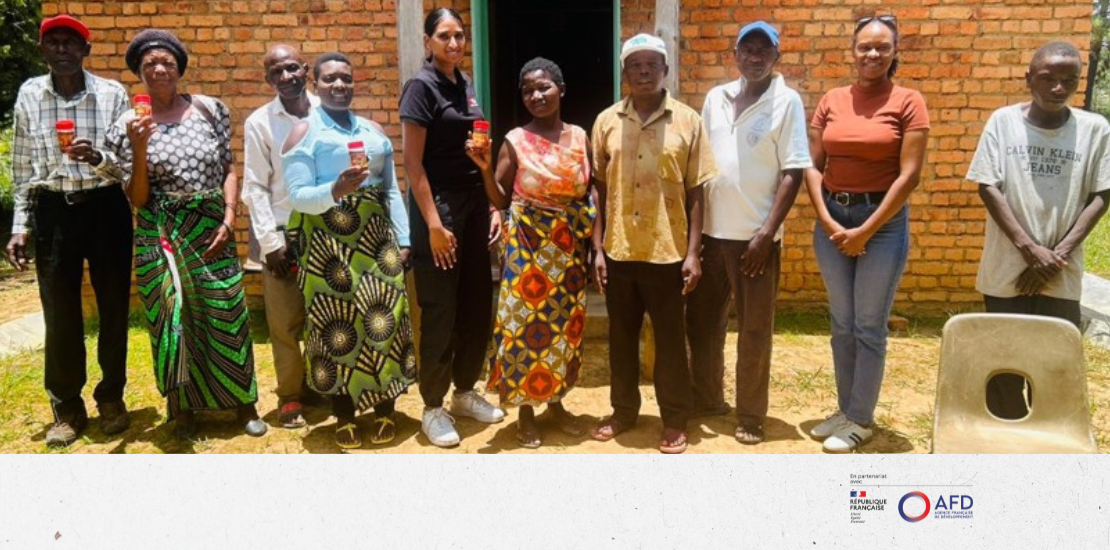
On 23 April, a debrief session was held as part of the PRCC programme (Programme de renforcement des capacités commerciales), implemented by COLEAD and funded by the French Development Agency (AFD). The session brought together 29 stakeholders from both public and private sector organisations.
The objective of the meeting was to present and discuss the findings of the bottlenecks study conducted for Malawi’s horticultural sector. Developed through a participatory approach, the study aimed to identify and prioritise the main constraints hindering the sector’s development, particularly in relation to access to European markets.
The findings highlighted key challenges structured around three complementary levels:
The structural environment (policies, macroeconomic framework, infrastructure)
Key constraints include forex instability, a policy orientation heavily focused on maize, and a persistent gap between policy design and implementation. While these challenges are partly beyond the programme’s direct scope, they significantly affect the private sector and underline the need for de-risking mechanisms.
The intermediate level (coordination, aggregation, finance)
Major challenges relate to fragmented governance, weak aggregation systems and post-harvest infrastructure, and misaligned financial services. Limited aggregation capacity — including insufficient packhouses, collection systems, cold chain, and logistics — continues to constrain the link between dispersed producers and market requirements.
The enterprise level (capabilities, quality, practices)
Identified constraints include limited business planning, high post-harvest losses, and weak quality management systems. These factors reinforce one another, reducing product competitiveness and limiting incentives for quality improvement.
Based on these findings, initial action orientations were proposed, structured around three complementary areas:
- system level: strengthening coordination mechanisms, improving irrigation infrastructure, and developing tailored financial instruments;
- value chain level: promoting effective aggregation models, developing clusters, and strengthening market linkages, particularly for export;
- enterprise level: supporting the development of processing capacity, improving quality management systems, and strengthening business practices.
These areas are interdependent and should be implemented in a coordinated manner to effectively address the identified constraints.
The session concluded with an interactive discussion, allowing participants to validate the analysis, enrich the proposed directions, and highlight additional priorities. This meeting represents an important first step towards the co-construction of a sector action plan aligned with field realities and stakeholder needs.
COLEAD thanks all participants for the quality of their contributions and their engagement.
This activity is supported by the PRCC (Trade Capacity Building Programme), implemented by COLEAD, with financial support from the French Republic through the French Development Agency (AFD). This communication has been produced with the financial support of AFD. Its content is the sole responsibility of COLEAD and can in no way be taken to reflect the position of AFD.