

- 25/03/2026
- Posted by: Sandra Borma
- Category: News
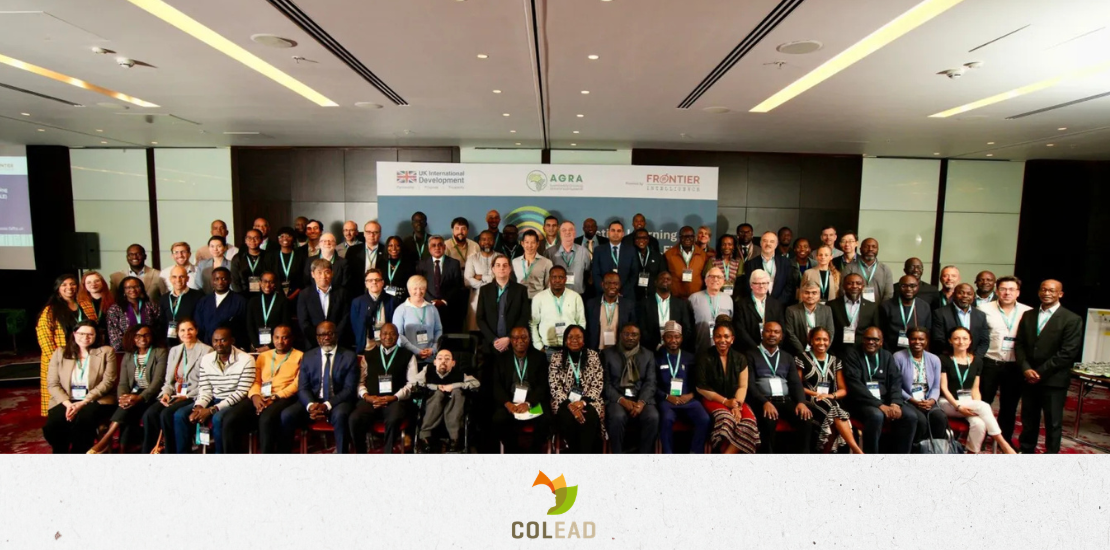
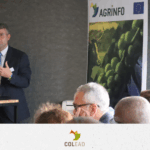
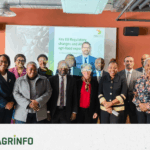
On 10–11 March 2026 in London, COLEAD participated in the Action Learning Exchange (ALE) 2026, a workshop organised by FCDO, AGRA and Frontier Intelligences. The event brought together public and private stakeholders around a shared objective: accelerating Africa’s transition towards competitive, integrated and sustainable agri-food systems.
Four key priorities emerged from the discussions: developing local value addition to move beyond raw commodity exports, advancing trade integration through the effective implementation of the AfCFTA, strengthening sustainable partnerships between African producers and international markets, and adopting innovative solutions such as artificial intelligence, drones and climate-resilient seeds.
In this context, COLEAD contributed to two key workshops.
The first, focused on access to intra-African and international markets, identified major constraints limiting the competitiveness of African processors. Discussions addressed trade finance, market development in high-value segments, improvements in logistics and supply chain infrastructure, and the alignment of standards and regulatory frameworks. The workshop brought together international companies such as Tesco, AB World Foods, Zertus Group and Innocent Drinks alongside African stakeholders to co-develop practical solutions for sustainable market access.
The second workshop explored data infrastructure for market information systems. Discussions highlighted the strategic role of open, AI-enabled systems in reducing information asymmetries, improving trade flows, and supporting better decision-making by both public and private actors. Lessons from COMESA’s experience, particularly the Regional Food Balance Sheet, helped identify pathways to strengthen market integration and risk management.
Several key takeaways emerged from COLEAD’s participation. Strengthening African trade corridors and global market linkages is essential, as is investing in robust market information systems. The need for harmonised trade policies under the AfCFTA and the reduction of non-tariff barriers was also emphasised. Finally, building alliances between public institutions, private sector actors and technical partners — including AGRA, FCDO, NEPAD and COMESA — is a critical lever to scale impact.
COLEAD’s participation in ALE 2026 reflects its commitment to building impact-oriented alliances, in line with its interventions, particularly under the FFM+ programme. It also confirms the importance of structured dialogue among stakeholders to support the sustainable transformation of African agri-food systems.
In this spirit, and following ALE in London, COLEAD and CEHA (The COMESA-EAC Horticultural Accelerator) met to jointly reflect and act on a shared action plan aimed at accelerating the transition of the horticultural sector in East Africa.