

- 08/06/2026
- Posted by: Sandra Borma
- Category: News
In brief
- COLEAD ran the final collective training session of the Fit For Market Plus (FFM+) programme in Nigeria, focused on gender inclusion.
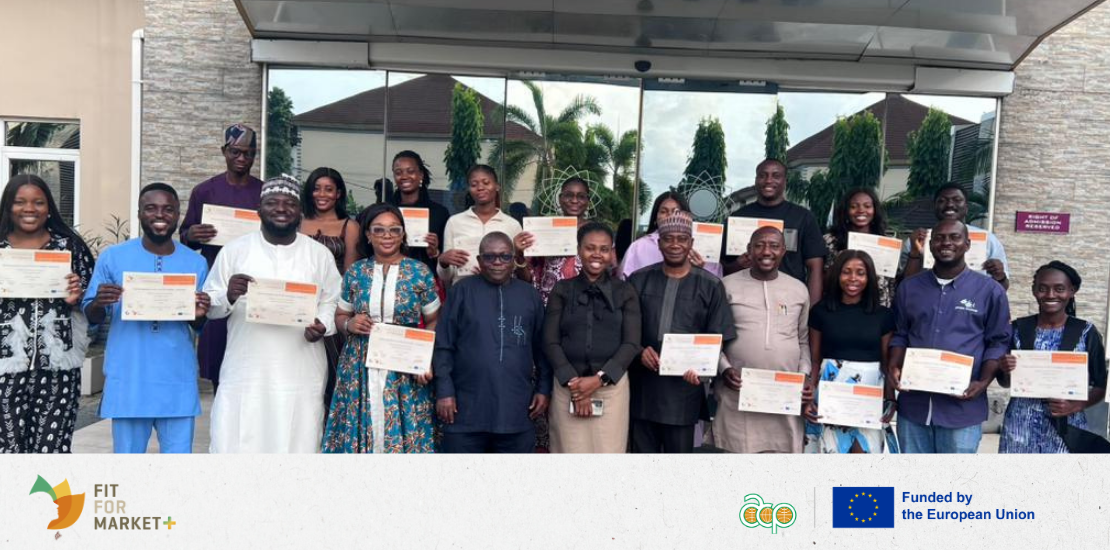
- 12 of the country’s leading horticultural organisations, 19 industry professionals, over four days.
- The aim: practical tools to build stronger, fairer and more competitive businesses.
- Four pillars: gender mainstreaming, inclusive policies, gender-responsive budgeting, audits and monitoring.
- Every organisation left with a tailored, concrete action plan ready to launch.
Four days to equip the sector
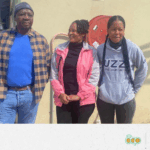
From 21 to 24 April 2026, COLEAD brought together twelve of Nigeria’s leading horticultural organisations for the final collective training session of the Fit For Market Plus (FFM+) programme. The goal was not simply to talk about gender inclusion, but to give nineteen industry professionals the practical tools to make it a driver of growth. Gender inclusion is not just a corporate social responsibility metric: it is a recognised driver of operational success.
Four practical pillars
The training was built around four areas: gender mainstreaming, to better understand and manage team dynamics; inclusive policies, to build environments where top talent wants to stay; gender-responsive budgeting, to allocate resources equitably and effectively; and audits and monitoring, to keep companies accountable over time.
From theory to action plans
Beyond the concepts, participants widely described the session as “eye-opening”. Above all, each organisation left not with a mere certificate, but with a tailored, concrete action plan, ready to launch immediate initiatives within its teams.
Equity and competitiveness, hand in hand
By connecting equity with business efficiency, these organisations are unlocking higher productivity, strengthening their brand image and finding it easier to meet strict international market and certification standards. This milestone reflects COLEAD’s mission to scale up actions that strengthen the contribution of agriculture, and horticulture in particular, to the Sustainable Development Goals — by bridging social equity and commercial viability.
This activity is supported by the Fit For Market Plus (FFM+) programme, implemented by COLEAD within the Framework of Development Cooperation between the Organisation of African, Caribbean and Pacific States (OACPS) and the European Union. This publication receives financial support from the European Union and the OACPS. The content of this publication is the sole responsibility of COLEAD and can in no way be taken to reflect the views of the European Union or the OACPS.