

- 22/12/2025
- Posted by: Sandra Borma
- Category: News
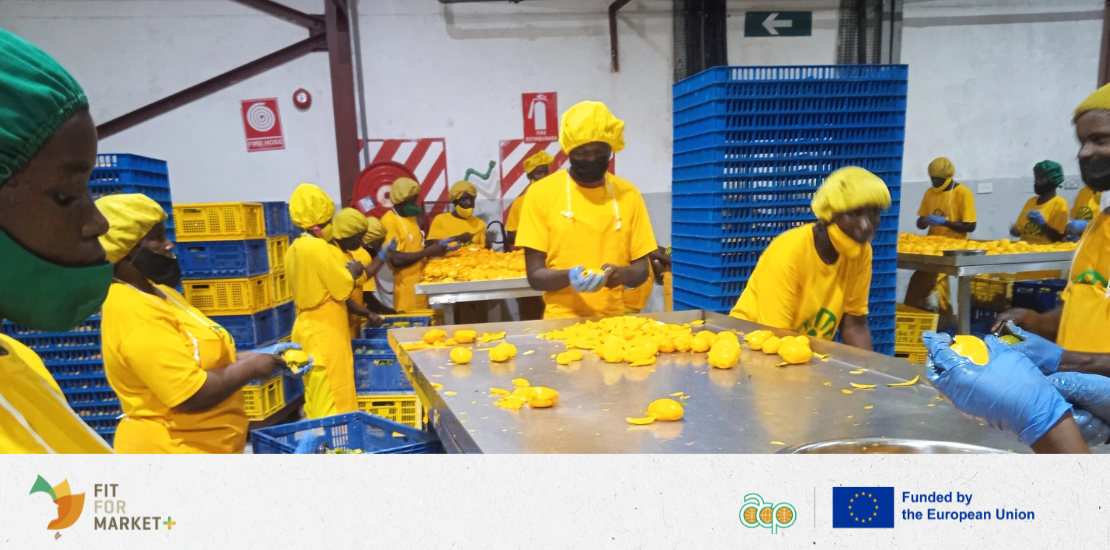
As part of the Fit For Market Plus (FFM+) programme, COLEAD supported Malawi Mangoes (MM) through a strategic mission aimed at transforming its waste management system from a linear and costly approach into a circular, efficient and value-creating model. Implemented between September and November 2025, the mission followed a structured approach, from the initial diagnostic to the co-development of a comprehensive operational strategy.
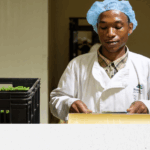
The assessment carried out on the Matumba and Dzuwa farms, as well as at the Salima processing plant, highlighted the lack of waste segregation, organic waste valorisation and formalised procedures, despite the company generating up to 7 tonnes of organic waste per day. These practices resulted in high transport and disposal costs, along with significant economic and environmental losses.
The mission enabled a precise quantification of waste streams (around 14% of incoming mangoes), clarification between genuinely rejected fruit and fruit still in the ripening process, and an in-depth feasibility analysis of valorisation options. Several solutions were prioritised, including structured composting, waste stream segregation, improved wastewater management, and in the medium to long term, briquette production, animal feed, biogas, and mango seed kernel oil extraction.
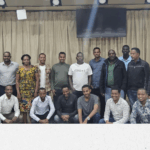
Co-developed with Malawi Mangoes’ teams, the final strategy includes an operational roadmap spanning more than 12 months, standard operating procedures (SOPs), a monitoring and evaluation framework, and a capacity-building component. Five staff members were trained as focal points to ensure ownership and long-term sustainability of the system.
In the short term, this transition could generate over MWK 80 million in savings per season, while strengthening environmental compliance, enhancing the climate resilience of orchards, and positioning Malawi Mangoes as an innovative circular economy player in Malawi.
This activity is supported by the Fit For Market Plus (FFM+) programme, implemented by COLEAD within the Framework of Development Cooperation between the Organisation of African, Caribbean and Pacific States (OACPS) and the European Union. This publication receives financial support from the European Union and the OACPS. The content of this publication is the sole responsibility of COLEAD and can in no way be taken to reflect the views of the European Union or the OACPS.