

- 22/12/2025
- Posted by: Sandra Borma
- Category: News
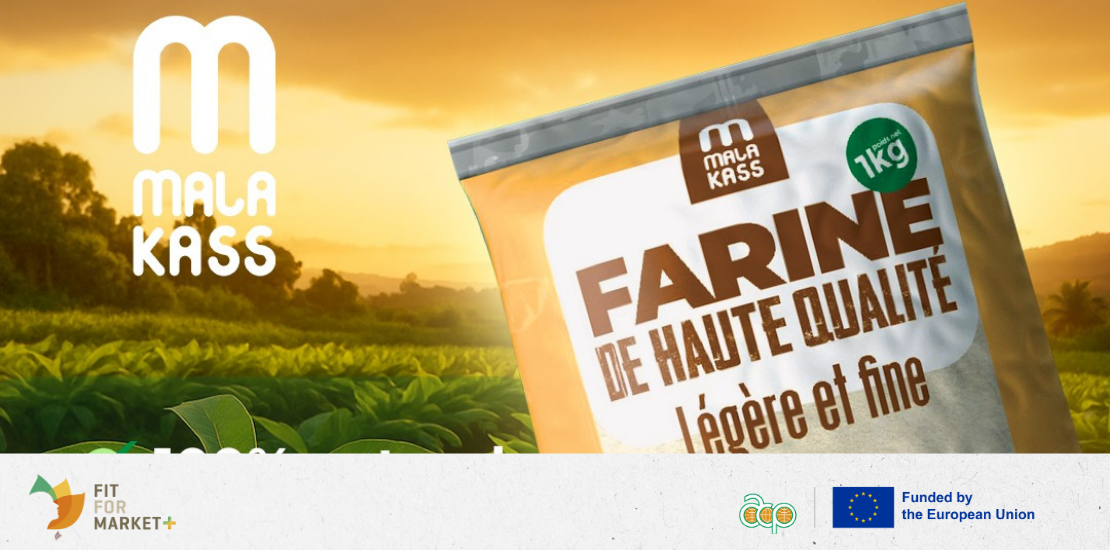
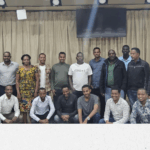
As part of the Fit For Market Plus (FFM+) programme, COLEAD supported the Malagasy company Malakass, active in cassava processing in the Atsimo-Andrefana region, with the aim of strengthening and sustainably structuring its relationships with local producers. This field mission, carried out from 30 September to 11 October 2025, sought to secure a regular, reliable and high-quality supply—an essential condition for the company’s continued development.
The support was built around a participatory approach, starting with an in-depth diagnostic with the Malakass team, followed by a survey of 43 producers. These exchanges made it possible to better understand farming practices, the constraints faced by producers and their expectations towards the company. Field-based coaching sessions complemented this work, with practical demonstrations of good cassava cultivation practices that could be immediately applied by producers.
The mission also strengthened coordination with key ecosystem stakeholders. Collaboration with FOFIFA was consolidated, particularly with regard to technical support to producers, the provision of improved varieties and the establishment of a demonstration plot. In addition, a high-level exchange with the Ministry of Agriculture confirmed institutional support for initiatives aimed at structuring the value chain around Malakass.
The results are tangible: an operational diagnostic of producers, a contract model promoting more balanced commercial relationships, and a monitoring framework to assess progress over successive agricultural seasons. Building on these achievements, Malakass is now encouraged to structure producer associations, launch pilot contracts and strengthen its field presence.
This mission marks a key step towards building sustainable, win-win relationships between Malakass and its producers, and contributes to strengthening the cassava value chain in the region.
This activity is supported by the Fit For Market Plus (FFM+) programme, implemented by COLEAD within the Framework of Development Cooperation between the Organisation of African, Caribbean and Pacific States (OACPS) and the European Union. This publication receives financial support from the European Union and the OACPS. The content of this publication is the sole responsibility of COLEAD and can in no way be taken to reflect the views of the European Union or the OACPS.