

- 22/12/2025
- Posted by: Sandra Borma
- Category: News
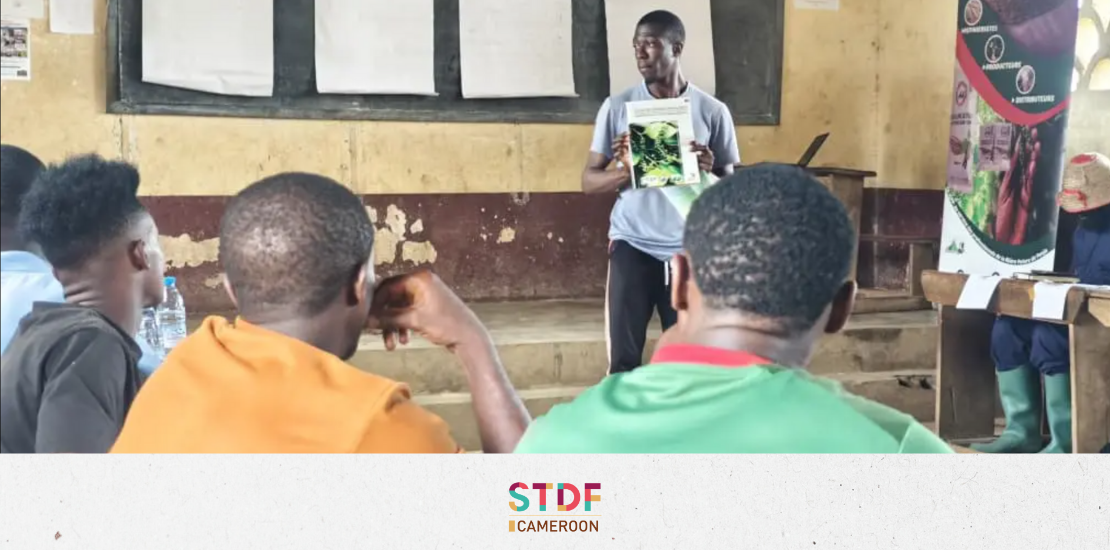
Implemented under project STDF/PG/593, support to the Penja pepper value chain in Cameroon aimed to sustainably strengthen the application of sanitary and phytosanitary (SPS) best practices. At the heart of this approach was the co-development of practical tools tailored to the needs of field actors. Guides to SPS best practices, educational brochures, practical fact sheets and structured training modules were developed and rolled out throughout the project.
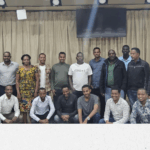
Three years after the project’s official closure, the results speak for themselves. Training activities are continuing, and all the tools developed are still being used in every session. This long-term ownership reflects both the quality of the materials produced and their strong alignment with the realities of the value chain.
Beyond the project deliverables, this continuity illustrates the real sustainability of the actions undertaken, built on strengthened local capacities and the lasting adoption of SPS best practices. The STDF Penja Pepper project therefore continues to bear fruit, contributing to quality, food safety and the international recognition of this emblematic value chain.
Congratulations and thanks to all partners and stakeholders involved for their contribution to this lasting success.
This activity is organised within the framework of the project ‘Improving SPS Capacity in the Penja Pepper Value Chain’, supported by the Standards and Trade Development Facility (STDF) and implemented by COLEAD.