

- 22/12/2025
- Posted by: Sandra Borma
- Category: News

As Nigeria’s National Plant Protection Organisation (NPPO), the Nigeria Agricultural Quarantine Service (NAQS) plays a central role in safeguarding plant health, preventing the introduction of pests, and certifying agricultural products for export. To strengthen Nigeria’s capacity to meet international phytosanitary requirements, COLEAD, under the Fit for Market Plus (FFM+) programme funded by the European Union and the OACPS, implemented two consecutive training sessions aimed at improving both the organisation and the implementation of official controls.
These activities form part of a broader capacity development plan, developed following the 2023 analysis conducted using the Rapid SPS Assessment Tool (R-SAT), which identified several systemic gaps within Nigeria’s SPS system, notably in governance, operational procedures, laboratory services and risk management.
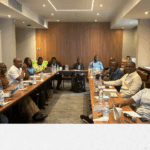
The first training, held in July 2025, focused on the organisation of official controls. Its objective was to strengthen NAQS’ institutional capacity to design and manage a structured system of official controls, in line with IPPC principles and European Union plant health regulations. Discussions covered risk-based planning, internal audits, financing of controls, the roles of NPPOs, and governance arrangements. Sixteen NAQS senior managers actively participated in this face-to-face training.
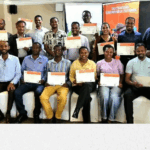
The second training, held in Lagos in September 2025, focused on the operational implementation of official controls. It enabled NAQS inspectors and managers to further develop their skills in inspection procedures, sampling, documentation, identification of regulated pests, traceability and compliant phytosanitary certification. A practical visit to a leafy vegetable packhouse strengthened field-based learning. This session brought together 18 inspectors and managers.
Taken together, these two training cycles significantly strengthen NAQS’ capacity to deliver credible, effective and internationally aligned phytosanitary controls. By consolidating the national inspection system, these actions support Nigeria’s ambitions to diversify non-oil exports, enhance regulatory compliance and build confidence in the country’s horticultural exports.
This activity is supported by the Fit For Market Plus (FFM+) programme, implemented by COLEAD within the Framework of Development Cooperation between the Organisation of African, Caribbean and Pacific States (OACPS) and the European Union. This publication receives financial support from the European Union and the OACPS. The content of this publication is the sole responsibility of COLEAD and can in no way be taken to reflect the views of the European Union or the OACPS.