

- 22/12/2025
- Posted by: Sandra Borma
- Category: News
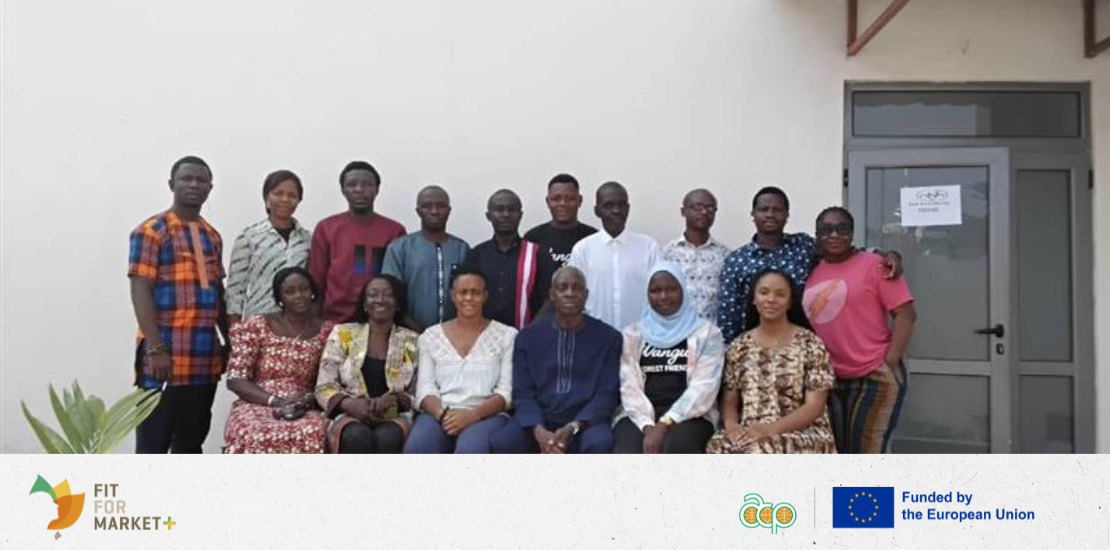
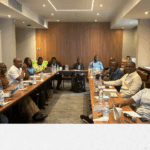
COLEAD recently successfully concluded a strategic collective training session dedicated to market access, held in Freetown, Sierra Leone, in November 2025. This face-to-face training was delivered by a COLEAD expert based in West Africa, as part of the FFM Plus programme.
The main objective of the training was to strengthen the capacities of horticultural companies and producer organisations currently operating in informal or semi-informal markets, but aiming to transition towards higher-value formal, regional and international markets.
The session primarily targeted management teams and key decision-makers, including commercial managers, heads of administration and finance, marketing managers and business owners.
The programme was designed to address the complex challenges associated with the formalisation of market access, focusing on three core areas: analysis of business models and the risk–reward balance, understanding target market requirements, and the development of tailored technical and financial roadmaps.
A central feature of this collective approach was the strong peer-to-peer exchange dynamic. By bringing together organisations facing similar challenges, the training facilitated the sharing of practical experiences, the identification of common constraints and the co-development of innovative solutions aimed at continuous improvement.
This “Market Access” training represents a key milestone for the supported horticultural companies in Sierra Leone. By strengthening the technical and managerial skills of their teams, COLEAD enables them to make informed strategic decisions regarding which formal markets to target and which investments to prioritise. This action directly contributes to sustainable growth and to strengthening the competitiveness of the horticultural value chain in Sierra Leone.
COLEAD will continue to support these organisations through post-training follow-up, to assist with the effective implementation of the market access strategies developed by the participants.
This activity is supported by the Fit For Market Plus (FFM+) programme, implemented by COLEAD within the Framework of Development Cooperation between the Organisation of African, Caribbean and Pacific States (OACPS) and the European Union. This publication receives financial support from the European Union and the OACPS. The content of this publication is the sole responsibility of COLEAD and can in no way be taken to reflect the views of the European Union or the OACPS.